

Getting ranked in the top SERPs (Search Engine Result Pages) is a long competitive race. And in every sport there are those who play it fair and those who cheat to win! In the field of SEO, we call them white hat and black hat SEO, respectively.
White Hat SEO helps in maintaining your top SERP rankings, however, achieving higher rankings following white hat techniques takes time. On the other hand, black hat SEO can boost your search engine visibility quickly, but with the promise of short-term success and high risks.
What Is Black Hat SEO?
Black hat SEO techniques are the complete opposite of white hat techniques. This means that black hat SEO techniques don’t follow Google’s ranking guidelines. If crawlers identify that your website is using black hat SEO techniques to rank high, then it will de-index your site and prevent your site from ranking on Google.
If your website has experienced a sudden fall in rankings or received a notification from Google about de-indexing your website, then you should immediately check whether your site is following any black hat SEO techniques.
So, without further ado, let’s begin with the black hat SEO techniques.
Black Hat SEO Technique No. 1: Cloaking
An example of cloaking would be if you clicked on one of the search results for the query ‘Labrador Puppies’, but instead of leading you to a page willed with images or information about puppies, the result leads you to a spammy movie downloading website. Search engine spiders usually don’t index a cloaked site, however, in rare cases they get indexed by accident but will get removed the moment they are identified as cloaked sites. Google penalizes such cloaked websites by de-indexing and de-ranking them.
Advice: Cloaking is not 100% black hat, but you can still use it as a white hat technique. Yes! Cloaking can be used as a white hat technique as well, but only in specific cases and as a light version of cloaking.
Black Hat SEO Technique No. 2: Keyword Stuffing
While it is important to use the right keywords on your webpage, many webmasters have a misconception regarding keyword placement. They stuff a page with keywords rather than placing them strategically across their content. By doing so, they hope to generate higher rankings. However, that’s when it backfires. Stuffing keywords on a page and harming its readability and context makes it a magnet for a Google penalty.
Advice: After optimizing your content, calculate its keyword density:
Keyword Density = Number of times a keyword is used / Total number of words in an article.
The ideal keyword density should be in between 1 to 3%. Exceeding the percentage signifies that you have stuffed your website content with too many keywords. Plus, make sure to use the right keywords for your web content. A keyword tool can help you to find the best keywords which you can then place across your content in a natural manner.
Find out where you should put keywords in your blog post.
Black Hat SEO Technique No. 3: Duplicate Content
Copying content from other sites and posting it on yours as the ‘original’ is plagiarism and Google identifies it quickly. And once Google’s consistently crawling spiders find the duplicate content, it de-indexes them immediately.
Advice: Don’t copy whole posts; copy parts and cite the source or add canonical links. You don’t have to copy whole posts. If you find that certain information has been explained better in some other article, you can copy that specific part and include it in your post. However, make sure to link back to the original article or add a canonical URL.
Black Hat SEO Technique No. 4: Link Buying
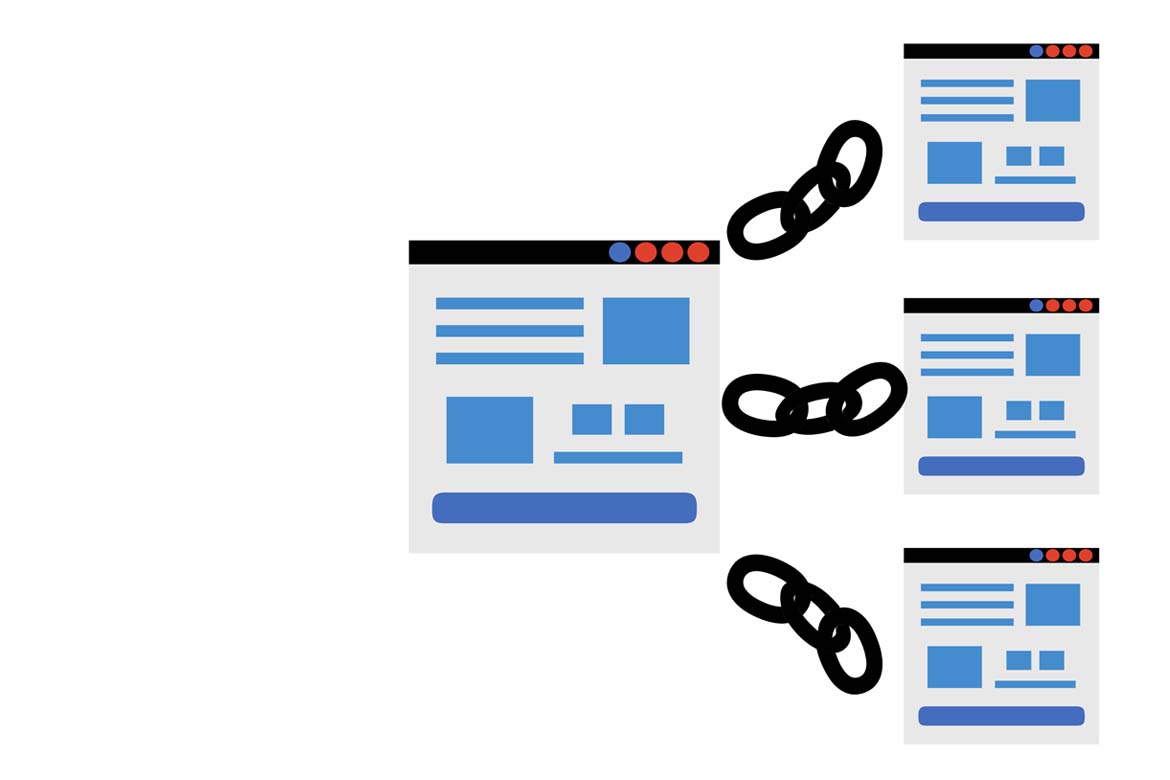
Backlink building is one of the most effective SEO techniques. Inbound links from higher DA sites boost a website’s SERP ranking by increasing its DA and online credibility.
But, to achieve these three benefits quickly, websites start purchasing links. They often begin paying a middleman to generate a certain amount of links for them. Those backlinks are not always from good DA sites, and they can either be from a niche unrelated to yours, or domains that promote spammy content. If a site has inbound links from such domains, it actually harms their credibility and backlink quality, which affects the sites rankings and DA massively.
Advice: Stop buying links, but start building quality links
There are several white hat link building strategies that your site should use to build natural inbound links. You can use guest posting, blog commenting, forum posting, etc. Alternatively, you can conduct a site audit of your competitor’s website and analyse their backlink data to find good backlink opportunities for your own website.
Conclusion
I never suggest people to use black hat SEO techniques to drive traffic to their domain. I have seen sites which used them and received momentary success, but eventually, each of those websites came under Google’s radar and got its penalty.
Moreover, Google is upgrading and improving it ranking algorithm almost every day, and this allows it to identify and penalize sites using black hat SEO in a snap!
So, if you are still using black hat SEO techniques, you must stop right now!